


-
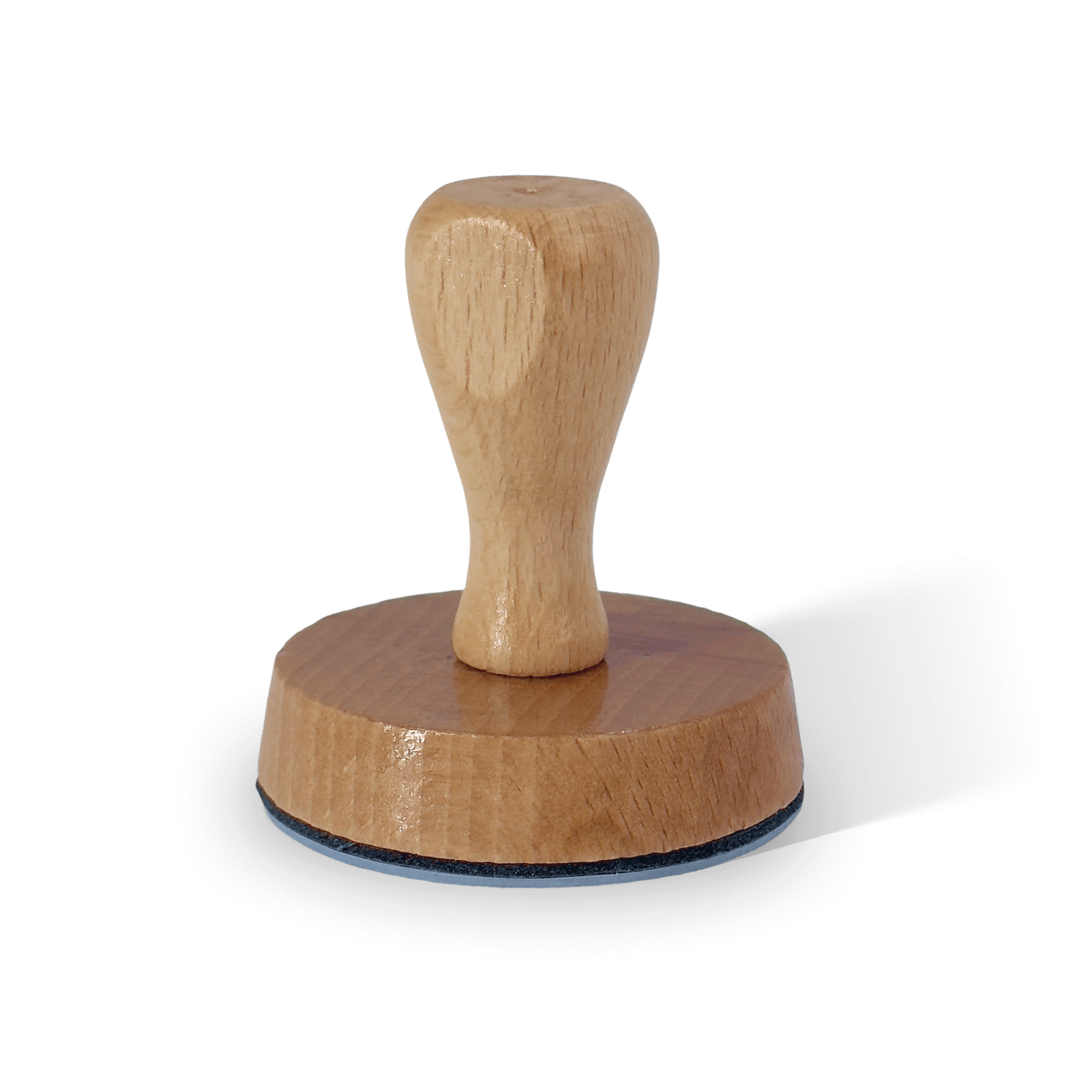
Personalized wooden stamp
5 compatible stampsFrom €22.00 -
Black cat bookplate
5 compatible stamps€21.00 -
Ex-libris fox stamp with books
5 compatible stamps€22.00 -
Stamp Ex-libris coffee break reading
5 compatible stamps€21.00 -
Ex-libris stamp depicting vegetation emerging from the book
5 compatible stamps€22.00 -
Ex-libris stamp - coffee break
5 compatible stamps€22.00 -
Ex-libris stamp - cat nap
5 compatible stamps€22.00 -
Ex-libris stamp with pen and book
5 compatible stamps€22.00 -
Ex-libris stamp with circle and rose ornaments
5 compatible stamps€22.00 -
Ex-libris stamp, magic book
5 compatible stamps€22.00 -
Bookplate of a dog on a book
5 compatible stamps€22.00 -
Giftcard PopStamp
6 available giftcardsFrom 30€ -
Retro stamp with 3 texts
5 compatible stamps€22.00 -
Bookplate of a dreamy reader
5 compatible stamps€21.00 -
Ex-libris cat stamp on books
5 compatible stamps€21.00 -
Ex Libris stamp, book with floating letters
5 compatible stamps€22.00 -
Geometric owl bookplate stamp
5 compatible stamps€21.00 -
Ex-libris stamp, cafe sign
5 compatible stamps€21.00 -
Ex-libris stamp for armchair
5 compatible stamps€22.00 -
Hand-drawn Ex-libris stamp
5 compatible stamps€22.00 -
Ex-libris stamp, antique shelf
5 compatible stamps€21.00 -
Piano bookplate
5 compatible stamps€22.00 -
Giftcard PopStamp
6 available giftcardsFrom 30€ -
Stamp Ex-libris stack of books
5 compatible stamps€22.00 -
Ex-libris stamp, large book
5 compatible stamps€22.00 -
Ex-libris stamp, my beloved books
5 compatible stamps€22.00 -
Ex-libris stamp, love letter
5 compatible stamps€22.00 -
Dragon Z bookplate
5 compatible stamps€22.00 -
Ex-libris stamp, nap on a book
5 compatible stamps€22.00 -
Ex-libris stamp with cat on book
5 compatible stamps€22.00 -
Lucky cat bookplate stamp
5 compatible stamps€22.00 -
Cartoon rocket bookplate
5 compatible stamps€22.00 -
Ex-libris stamp, great book
5 compatible stamps€21.00 -
Giftcard PopStamp
6 available giftcardsFrom 30€ -
Oval library bookplate stamp
5 compatible stamps€21.00 -
Cute bunny bookplate
5 compatible stamps€22.00 -
Ex-libris stamp: hands holding a book
5 compatible stamps€22.00 -
Ex-libris stamp, book, swimming pool
5 compatible stamps€22.00 -
Ex-libris stamp, book, cat's nap
5 compatible stamps€22.00 -
Ex-libris stamp of a sleeping cat
5 compatible stamps€22.00 -
Bookplate of an owl taking flight
5 compatible stamps€22.00 -
Ex-libris stamp, reader, open book
5 compatible stamps€22.00 -
Ex-libris stamp, flying book
5 compatible stamps€22.00 -
Tabby cat bookplate
5 compatible stamps€22.00 -
Giftcard PopStamp
6 available giftcardsFrom 30€ -
Ex-libris stamp, sunny books
5 compatible stamps€22.00 -
Ex-libris stamp in front of book
5 compatible stamps€22.00 -
Little Reader Stamp
5 compatible stamps€21.00 -
Dandelion bookplate
5 compatible stamps€22.00 -
Glossy bookplate Ex-libris stamp
5 compatible stamps€22.00 -
Ex-libris stamp for a reader on a pouf
5 compatible stamps€22.00 -
Ex-libris stamp, large book
5 compatible stamps€22.00 -
Ex-libris stamp, book and candle
5 compatible stamps€22.00 -
Ex-libris stamp, white book on black
5 compatible stamps€22.00 -
Ex-libris stamp with a reading dog
5 compatible stamps€22.00 -
Giftcard PopStamp
6 available giftcardsFrom 30€


Thank you for your interest!
We will keep you updated as soon as the product is back in stock.


The bookplate embodies the age-old art of literary marking, a noble tradition that transforms a simple book collection into an authentic personal treasure. At Pop-Stamp, we have been perpetuating this French excellence in artisanal embossing for 65 years, combining Grenoble expertise with technical innovation to offer the most discerning bibliophiles exceptional marking solutions. Our bookplate embossing presses reveal the timeless beauty of your books while preserving their integrity for future generations.
The bookplate of the library: cultural heritage and technical modernity
The Latin phrase "ex libris" literally means "belongs to the books of," establishing since the Middle Ages an indissoluble link between the owner and their collection. This tradition of personally marking books has its roots in the monastic scriptoria of the 14th century, where monks engraved their seals on precious manuscripts to attest to ownership and prevent theft.
Today, the library bookplate continues this noble function while adapting to contemporary conservation requirements. Our master engravers have perfectly mastered the delicate balance between respecting centuries-old traditions and modern technical innovations. Each embossing press we design in our Grenoble workshops testifies to this successful synthesis of cultural heritage and French manufacturing excellence.
From medieval manuscripts to contemporary collections
The evolution of the library bookplate reflects the very history of the book and its democratization. The earliest copies, reserved for nobles and religious institutions, displayed complex coats of arms engraved in copper or silver. Gutenberg's invention of the printing press revolutionized this practice, making books accessible to a cultivated bourgeoisie eager to assert its intellectual status.
The 19th century marked the golden age of the French bookplate with the emergence of renowned artists such as Félix Bracquemond and Henri Rivière. These master engravers established the aesthetic codes that still inspire our Pop-Stamp creations today. We draw upon this rich artistic heritage to design bookplates that combine classic elegance with contemporary legibility.
Pop-Stamp innovation serving tradition
Our revolutionary approach to library embossing rests on three technological pillars: photopolymer engraving precision reaching 0.1 millimeters, the exclusive use of PEFC-certified varnished beech wood from the Vosges region, and the integration of Shiny® mechanisms guaranteeing 20,000 perfect impressions. This unique combination allows for exceptionally sharp impressions on all types of paper, from 80-gram vellum to 300-gram card stock.
Our in-house graphic designers, trained in traditional engraving techniques, have a perfect command of the specific constraints of personal book marking . They adapt each design to the optimal dimensions to preserve legibility while respecting the aesthetics of the title page. This technical expertise, the result of decades of experience, guarantees a professional result worthy of the most prestigious institutional libraries.
Marking technologies: embossing press versus ink pad
The choice between dry embossing and ink printing is a crucial decision for any bibliophile concerned with preserving the integrity of their collection. This technical alternative directly influences the durability of the marking, the final aesthetic, and the heritage value of the marked books.
The embossed library stamp offers the undeniable advantage of absolute permanence. Unlike ink, which can degrade under the effects of light or humidity, the embossed imprint survives centuries without alteration. European heritage libraries preserve books marked in the 16th century whose embossed bookplates remain perfectly legible, testifying to the technical superiority of this method.
Dry embossing: excellence and durability
The embossing technique relies on the controlled deformation of paper fibers under calibrated pressure. Our bookplate embossing presses exert a force of 2 tons per square centimeter, creating a permanent relief that perfectly follows the contours of the engraved design. This physical deformation of the cellulose fibers guarantees preservation for millennia without risk of chemical degradation.
The aesthetic of embossing lends an incomparable refinement to library markings. The subtle interplay of light and shadow created by the relief enhances the paper's natural texture while discreetly asserting ownership of the work. This understated elegance is perfectly suited to prestigious editions, art books, and collector's items where the intervention must remain respectful of the original work.
Pop-Stamp technical solutions for discerning bibliophiles
Our engineers have developed a revolutionary interchangeable jaw system that allows you to instantly adapt your press to different bookplate formats. This exclusive innovation allows the use of a single mechanism for multiple designs, thus optimizing the investment for collectors with books of varying sizes.
The patented Pop-Stamp mechanism incorporates a laser guidance system that guarantees millimeter-precise positioning of the imprint. This technical precision eliminates any risk of off-center marking or double printing, unacceptable defects on valuable books. The pressure force adjusts automatically according to the paper thickness detected by our integrated sensors.
- Paper compatibility from 60 to 350 grams without manual adjustment
- Patented anti-jam system for textured papers
- Silent mechanism suitable for reading environments
- 2-year manufacturer's warranty on parts and labor
- User training included with ongoing technical support
Pop-Stamp library bookplate collection: French artisanal know-how
Our library bookplate collection draws its inspiration from the classic iconography of books and reading, reinterpreted by our artists according to contemporary aesthetic codes. Each design tells a story, evokes an emotion, and establishes a connection between the bibliophile and their cherished books.
The creative process begins with an in-depth study of traditional symbols: the shelf laden with ancient volumes evokes accumulated wisdom, the open book symbolizes the transmission of knowledge, and the quill pen recalls the original act of writing. Our graphic designers transpose these iconographic elements into balanced compositions, legible even on a small scale, respectful of tradition while asserting a confident modernity.
Signature models: from the antique shelf to the contemporary bookcase
The bookcase overflowing with books is our most iconic creation, strikingly reproducing a period library with patinated bindings. This intricate design, engraved with 127 points of detail, requires six hours of meticulous craftsmanship to achieve the necessary finesse. The individual bindings are clearly distinguishable to the naked eye, creating remarkable visual depth.
The open bookcase design appeals to lovers of understated elegance with its clean lines and universal symbolism. This minimalist creation emphasizes the typography of the owner's name, using fonts inspired by 16th-century Garamond typefaces. The photopolymer engraving perfectly reproduces the delicate serifs and variations in thickness characteristic of these historical fonts.
Our oval bookplate reinterprets the traditional format of family crests, adapting it to contemporary tastes. The oval frame, adorned with stylized plant motifs, harmoniously frames the personalized text while maintaining optimal legibility. This design is particularly suited to family libraries passed down through generations.
Tailor-made customization: your vision, our expertise
Beyond our standard collection, we offer a bespoke bookplate design service that transforms your ideas into technically perfect creations. Our graphic designers work closely with you to design a unique motif reflecting your bibliophile personality, your literary interests, or the history of your collection.
The creative process unfolds in four stages: analysis of your wishes and technical constraints, creation of three alternative graphic proposals, finalization of the chosen design with personalized adjustments, and final engraving after approval of the proof. This collaborative method guarantees a result perfectly tailored to your expectations while respecting the technical requirements of embossing.
- Personalized graphic design consultation with preliminary sketches
- Integration of logos, monograms or personal symbols is possible.
- Choose from 47 historical and contemporary fonts
- Automatic adaptation to standard formats from 25x40mm to 60x90mm
- Creation time: 5 business days after project approval
Practical guide: choosing and using your library bookplate
Selecting the optimal library stamp requires careful consideration of your reading habits, the composition of your collection, and your preservation goals. This technical decision directly influences the effectiveness of the stamping and the long-term preservation of your valuable books.
Format is the primary selection criterion. An overly large bookplate risks detracting from the aesthetics of the endpaper, while insufficient marking compromises its identifying function. Our experts recommend a 30x45 mm format for standard books, 40x60 mm for art books, and 25x35 mm for paperback editions or antique books with fragile pages.
Optimal selection according to your collection
Specialized libraries require specific approaches. A collection of classical literature will benefit from an antique-style bookplate with traditional motifs, while a scientific library will be better suited to a simple and functional label. Art books require absolute discretion so as not to visually compete with the reproductions inside.
Frequency of use also influences the choice of mechanism. A bibliophile who regularly acquires new books will favor a robust embossing press capable of withstanding intensive use. Conversely, a collector who only occasionally marks rare acquisitions will opt for a compact model that prioritizes precision over speed.
Professional application techniques
The optimal placement of the imprint follows precise rules established by professional librarians. The traditional location is in the lower right corner of the title page, 15 millimeters from the edges to prevent damage during handling. This position preserves the visual balance of the page while clearly asserting ownership.
The application technique requires precise movements to achieve a perfect impression. Position the open book on a rigid surface, place the press perpendicular to the page, apply firm and constant pressure for 3 seconds, then lift the mechanism with a smooth, fluid motion without any lateral movement. This procedure, repeated consistently, guarantees uniform results across your entire collection.
- Prior check of jaw cleanliness
- Systematic testing on scrap paper before final marking
- A 24-hour waiting period must be observed before intensive handling.
- Clean the mechanism monthly with a microfiber cloth
- Stored in the closed position to preserve alignment
Pop-Stamp Expertise: 65 years of French excellence in marking
Pop-Stamp's history is rooted in the post-war French manufacturing tradition, when Grenoble artisans developed the first photopolymer engraving techniques to meet the growing needs of government agencies and businesses. This technical expertise, passed down from master to apprentice for three generations, forms the basis of our recognized excellence in library embossing .
Our integration into the Addaxa Group in 1990 allowed us to invest heavily in research and development while preserving our artisanal identity. This unique blend of technological innovation and traditional expertise positions Pop-Stamp as the undisputed leader in professional marking in France . Our 2,400 client references include the National Library of France, the École Normale Supérieure, and 127 prestigious municipal libraries.
Quality certifications and environmental commitment
Our ISO 9001:2015 certification attests to the rigor of our manufacturing processes and our ongoing commitment to quality. Each Ex Libris embossing press undergoes 23 quality checks before shipment, guaranteeing absolute conformity to the stated technical specifications. This rigorous approach allows us to offer a 2-year manufacturer's warranty, unique in the French market.
Our environmental approach is based on three pillars: the exclusive use of PEFC-certified wood from sustainably managed forests, a 40% reduction in our carbon footprint since 2018 through optimized logistics, and a recycling program for used bookbin jaws, which are transformed into pellets for biomass heating. This ecological responsibility responds to the growing expectations of book lovers concerned about preserving the environment.
Testimonials and achievements: the Pop-Stamp bookplate in action
The Lyon Heritage Library is a testament to the remarkable effectiveness of our secure library marking solutions. Since adopting our personalized bookplates in 2019, the institution has seen a 72% decrease in attempted thefts of its rare collections. This exceptional performance results from the combination of visual deterrence and the technical traceability offered by our tamper-proof imprints.
Édouard Delacroix, a Parisian collector with 3,200 antique books, has been using our personalized light oak model with a Latin motto for five years. His testimonial highlights the exceptional durability of our products: "After 12,000 applications, the imprint remains perfectly sharp. This investment has transformed my library into a true living work of art, each book now bearing my distinctive signature."
Creative projects and original applications
The "Wedding Library" project perfectly illustrates the creative versatility of our personalized bookplate solutions . Camille and Nicolas ordered 120 identical stamps engraved with "Camille & Nicolas's Library • June 12, 2024" to give their guests personalized books. This original initiative generated 48 Instagram shares and inspired 12 similar orders, demonstrating the viral impact of authentic Pop-Stamp creations.
The Chambéry Municipal Library uses our industrial presses to mark 200 new books daily. The efficiency of our high-speed mechanisms allows us to process all monthly acquisitions in just four hours, significantly optimizing the productivity of the cataloging department. This technical performance positions Pop-Stamp as a preferred partner for demanding cultural institutions.
The Pop-Stamp bookplate transcends its utilitarian function to become the authentic expression of your literary passion. This successful synthesis of centuries-old tradition and contemporary French innovation offers the most discerning bibliophiles an exceptional marking tool, guaranteeing the longevity and elegance of their precious collections. Discover our handcrafted world today and let our expertise transform your library into a timeless personal treasure.
A super result!
Thanks to my press to glue, I was able to personalize my business cards with a professional finish. Nothing to say.
Excellent service
Excellent service! Fast delivery, high-quality product and the website is really well thought out. I'm very satisfied.
Perfect ex-libris
I ordered an ex-libris seal with personalized design, and the result is truly amazing! The design is unique and elegant, and the use of the seal is incredibly easy.
Wooden stamps
solid and durable
An ecological press
without consumables, without waste


24h delivery
Quickly made and shipped within 24 hours after approval of the design
Made in the Alps
Printing and engraving in our workshop, at the feet of the Alps, since 1990 with the greatest care
Quality guaranteed
Our products are guaranteed for 2 years, high quality materials for excellent reliability
At your service
A family business focusing on customer service with satisfaction as a priority
- Choosing a selection results in a full page refresh.
